
Breaking the Silence on Blood Pressure: A Community Approach to Wellness at Black Health Inequalities Summit 2026
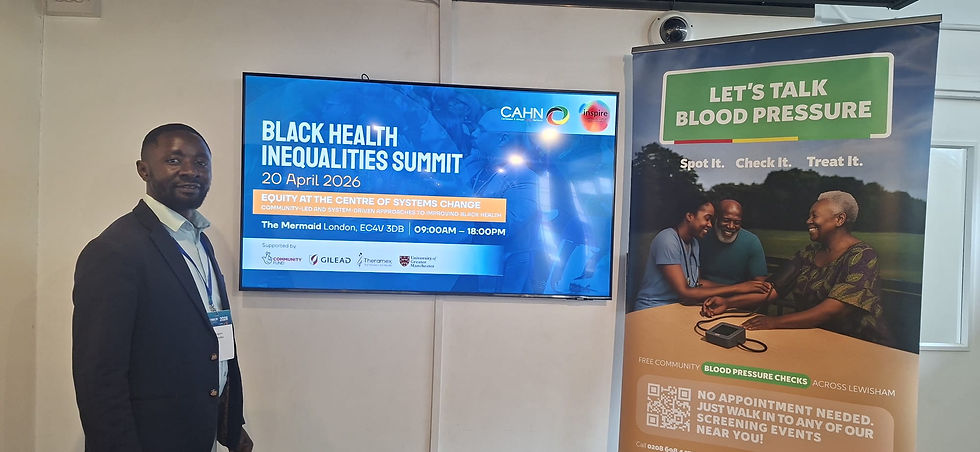
High blood pressure is often called the silent killer because many people live with it without knowing. This hidden health threat affects thousands, especially within underserved communities. At the Black Health Inequalities Summit 2026 in London, a powerful campaign led by the Africa Advocacy Foundation in partnership with King’s College London is shining a light on this issue. Together with local partners, faith leaders, and trained Community Champions, they are working across Lewisham to make blood pressure checks accessible, understandable, and actionable, particularly for African and Caribbean communities.
Why Blood Pressure Matters More Than You Think
High blood pressure, or hypertension, often shows no symptoms but can lead to serious health problems like heart disease, stroke, and kidney failure. According to the British Heart Foundation, nearly one in four adults in the UK has high blood pressure, but many remain undiagnosed. This risk is even higher in African and Caribbean populations, where genetics, lifestyle, and social factors contribute to increased vulnerability.
Unchecked high blood pressure can quietly damage arteries and organs over time. That’s why early detection and management are crucial. Regular blood pressure checks can catch problems before they become emergencies.
Barriers to Blood Pressure Awareness in African and Caribbean Communities
Despite the risks, many people in African and Caribbean communities face challenges that prevent them from getting regular blood pressure checks or understanding their health status. These barriers include:
Limited access to healthcare services due to location, cost, or availability.
Mistrust of medical institutions stemming from historical inequalities and negative experiences.
Lack of culturally relevant information that speaks directly to these communities’ needs and concerns.
Language and communication gaps that make medical advice harder to follow.
Social stigma and fear around discussing health issues openly.
The campaign at Lewisham addresses these barriers by creating trusted spaces where people feel comfortable and supported.
How the Campaign Works: Community Champions and Faith Leaders
The Africa Advocacy Foundation and King’s College London have designed a community-driven approach to tackle blood pressure awareness. This involves:
Training Community Champions who come from local African and Caribbean backgrounds. These champions understand cultural nuances and can communicate health information in relatable ways.
Partnering with faith leaders who hold respected positions in the community. Their involvement helps spread awareness during gatherings and services.
Setting up accessible blood pressure screening points in community centers, churches, markets, and other familiar locations.
Providing clear, easy-to-understand educational materials that explain what blood pressure numbers mean and how to manage them.
Offering ongoing support and follow-up to encourage lifestyle changes and medical consultations when needed.
This model builds trust and breaks down the silence around blood pressure.
Practical Steps to Protect Your Health
Understanding blood pressure is the first step toward better health. Here are some practical actions anyone can take:
Get your blood pressure checked regularly. Many pharmacies and community centers offer free or low-cost screenings.
Know your numbers. A normal reading is usually around 120/80 mmHg. Higher readings need attention.
Adopt a balanced diet. Reduce salt intake, eat plenty of fruits and vegetables, and limit processed foods.
Stay active. Aim for at least 150 minutes of moderate exercise each week.
Limit alcohol and avoid smoking. Both increase blood pressure and health risks.
Manage stress. Techniques like meditation, deep breathing, or talking to someone can help.
Follow medical advice. If prescribed medication, take it as directed and keep regular appointments.
Community Champions can guide individuals through these steps and connect them to local resources.
Success Stories from Lewisham
Since the campaign began, hundreds of people in Lewisham have benefited from easier access to blood pressure checks and support. For example:
A local church hosted a health day where over 100 attendees received screenings and learned about managing hypertension.
Community Champions helped a middle-aged man understand his high readings and encouraged him to visit his GP, leading to early treatment.
Faith leaders incorporated health messages into sermons, sparking conversations that reduced stigma around discussing blood pressure.
These examples show how community involvement can make a real difference.
What You Can Do to Help
Everyone has a role in improving health outcomes. You can:
Encourage family and friends to get their blood pressure checked.
Volunteer or support local health initiatives.
Share accurate information within your community.
Attend events like the Black Health Inequalities Summit to learn and connect.
Advocate for better healthcare access and culturally sensitive services.
Together, small actions add up to stronger, healthier communities.


